Rosetta Spoonbill
Updated: Feb 23
The Rosetta Spoonbill is a striking bird known for its unique appearance and interesting behaviors. Its vibrant pink feathers and distinctive spoon-shaped bill make it stand out in the wetlands where it lives. This bird’s story is full of fascinating details about its habitat, diet, and role in the ecosystem. Exploring the life of the Rosetta Spoonbill reveals much about the delicate balance of wetland environments and the creatures that depend on them.

Physical Characteristics
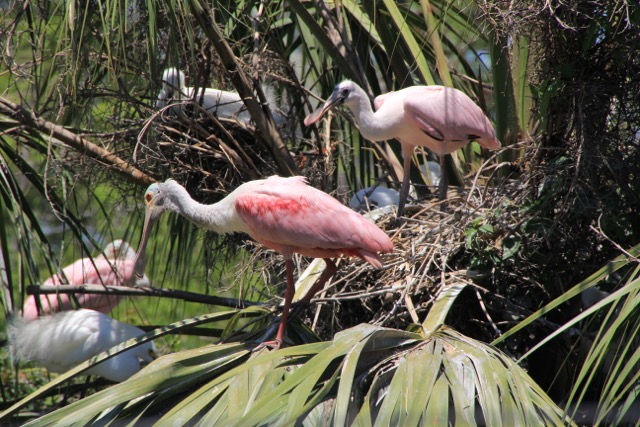
The Rosetta Spoonbill is easily recognized by its bright pink plumage, which ranges from soft pastel shades to deeper hues depending on diet and age. Its most notable feature is the broad, flat bill that resembles a spoon. This bill helps the bird sweep through water to catch small fish, crustaceans, and insects. The bird’s legs are long and slender, perfect for wading through marshes and shallow waters.
Adult Rosetta Spoonbills typically measure about 26 to 30 inches in length, with a wingspan reaching up to 44 inches. Their feathers are mostly pink, but they also have white and red highlights, especially around the head and neck. During breeding season, the colors become more vivid, which helps attract mates.
Habitat and Distribution
Rosetta Spoonbills are native to coastal regions and wetlands in the southern United States, Central America, and parts of South America. They prefer shallow waters such as estuaries, mangroves, marshes, and lagoons. These environments provide abundant food sources and safe nesting areas.
In the United States, they are most commonly found in Texas and Florida. Their presence in these areas is a good indicator of wetland health because they rely on clean water and plentiful food. Changes in water quality or habitat destruction can directly affect their populations.
Feeding Behavior
The Rosetta Spoonbill uses its unique bill to feed in a way that is both efficient and fascinating. It sweeps its bill side to side through the water, feeling for prey with sensitive nerve endings. When it detects a small fish or crustacean, it snaps its bill shut quickly to catch the food.
Their diet mainly consists of small aquatic animals such as:
Fish
Crustaceans like shrimp and crabs
Aquatic insects
Mollusks
This feeding method allows the Rosetta Spoonbill to exploit food sources that other birds might miss. It often feeds in groups, which can help stir up prey and increase feeding success.
Breeding and Nesting
During the breeding season, Rosetta Spoonbills gather in colonies, sometimes with other wading birds like herons and egrets. They build nests in trees or shrubs near water, using sticks and vegetation. Both parents share the responsibility of incubating eggs and feeding the chicks.
A typical clutch contains 2 to 5 eggs, which hatch after about 3 weeks. The chicks are born with grayish down feathers and depend on their parents for food and protection. Young spoonbills grow quickly and learn to fly within 6 to 7 weeks.
Role in the Ecosystem
Rosetta Spoonbills play an important role in their ecosystems. By feeding on small aquatic animals, they help control populations of fish and invertebrates. Their nesting colonies also contribute nutrients to the surrounding environment through droppings, which can support plant growth.
These birds serve as indicators of wetland health. When their numbers decline, it often signals problems like pollution or habitat loss. Conservation efforts aimed at protecting wetlands benefit not only the Rosetta Spoonbill but many other species that share the habitat.
Conservation Status and Challenges
The Rosetta Spoonbill is currently not considered endangered, but it faces threats from habitat destruction, pollution, and climate change. Wetlands are often drained or developed for agriculture and urban use, reducing the available habitat for these birds.
Pollution from pesticides and industrial waste can contaminate the water and food sources, affecting the health of spoonbills. Rising sea levels and changing weather patterns also pose risks to coastal wetlands.
Conservation groups work to protect wetland areas and promote sustainable land use. Public awareness and habitat restoration projects have helped stabilize some populations. Supporting these efforts is crucial to ensure the Rosetta Spoonbill continues to thrive.
Interesting Facts
The pink color of the Rosetta Spoonbill comes from carotenoid pigments in their diet, mainly from crustaceans.
Their spoon-shaped bill is highly sensitive, allowing them to detect prey even in murky water.
Rosetta Spoonbills are social birds and often nest in large colonies.
They can live up to 15 years in the wild.
Their feeding technique is unique among wading birds, combining tactile sensation with sweeping movements.
The Rosetta Spoonbill’s combination of beauty, unique adaptations, and ecological importance makes it a fascinating subject for bird watchers and nature lovers alike. Observing these birds offers a glimpse into the complex interactions within wetland ecosystems.


Comments